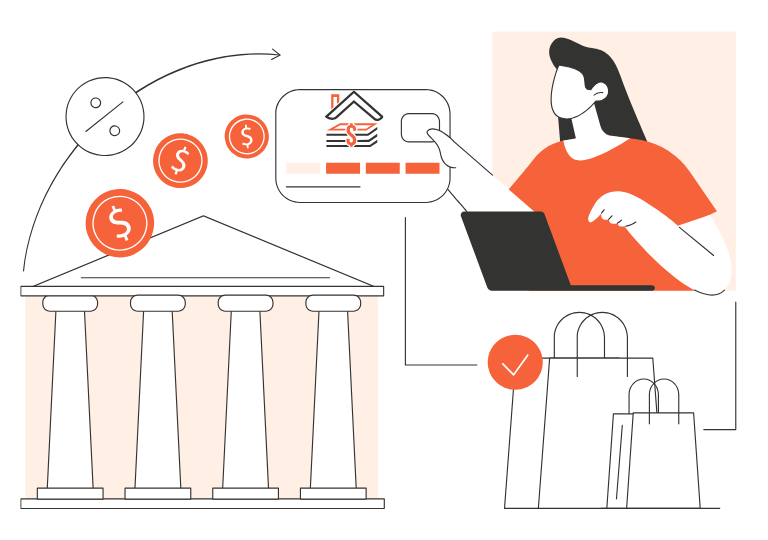


A guarantor home loan lets a parent or close family member use part of their home’s value as backup for your loan, so you can often buy with a much smaller deposit, and sometimes none towards the purchase price. Your family does not hand over cash, but their home is on the line for the guaranteed amount if the loan cannot be repaid.
That one sentence is the whole idea, and it comes with a real trade-off for your family. In most cases you can also avoid Lenders Mortgage Insurance (LMI), the extra fee banks charge when your deposit is small. This guide explains how it works in plain English, what it means for your parents, and how the guarantee eventually comes off.
Who is a guarantor loan for?
It is for people who can afford the repayments but have not saved the deposit. Rent often costs about the same as a mortgage repayment, yet banks still ask for years of saving first. A family guarantee is one way to close that gap.
It may suit you if your income can comfortably support the loan, a parent or close family member owns a home with plenty of value built up in it, and your family understands the risk and is happy to help.
It probably does not suit you if no one in your family owns a property with usable equity, the loan would only work if your guarantor’s help were counted as your income, or your family could not cope if the guarantee were ever called on.
How does a guarantor home loan work?
1. You choose a home and apply for the loan. The lender assesses your income, spending and debts. A guarantor does not replace this. The loan must be affordable on your own income.
2. Your family member offers their home as backup. The lender takes security over the home you are buying, and also over part of your guarantor’s home, up to an agreed amount.
3. You repay the loan as normal. Over time, repayments and property growth reduce what you owe. Once the loan falls to about 80% of the home’s value, the guarantee can usually be removed.
Guarantor loan, First Home Guarantee or saving 20%?
These are three different paths, and plenty of buyers mix them up. Here is how the first two compare in plain terms.
| Guarantor loan | First Home Guarantee (government scheme) | |
|---|---|---|
| Deposit | Can be very small, and with some lenders nothing towards the purchase price. Costs still need funding. | At least 5% |
| Lenders Mortgage Insurance | Often avoided | Not charged |
| Who else is involved | A family member’s property is used as backup | Housing Australia guarantees part of the loan. No family property is used. |
| Main catch | Your guarantor carries real risk | First home buyer rules and property price caps apply, and you apply through a participating lender |
| Best for | Buyers with strong income, little savings and family with equity | Eligible first home buyers buying within the price cap |
The third path is saving a 20% deposit. It avoids LMI and involves no one else, but it takes the longest, and that is the gap the other two options exist to close.
Since October 2025, the First Home Guarantee has had no income cap and no limit on places, and the property price caps are higher. Some buyers qualify for both options, so it is worth comparing them. Check the current price caps for your area on the Housing Australia website, as they change.
What if my family has no cash for a deposit?
This is the most common worry, and the answer is simple: a guarantor needs equity, not cash. Equity is the part of a home you own, meaning its value minus what is still owed on it.
For example, if your parents’ home is worth $1.4 million and they owe $400,000, they have about $1 million in equity. They may be able to guarantee part of your loan even with little in the bank. If no one in your family owns property with usable equity, a guarantor loan is generally not available, and we can look at other options with you.
Can I borrow 100% of the purchase price?
With the right guarantor and the right lender, borrowing up to 100% of the purchase price can be possible. Some lenders allow a little more to help with costs. Others do not.
Either way, the purchase price is not your only cost. Stamp duty (unless you qualify for an exemption or concession), legal fees and other settlement costs still need to be paid. Work out the full picture before you start looking at properties.
If you are the parent: what are you agreeing to?
If you are thinking about helping your child buy, here is what to know before you say yes.
You are not giving them money. You are agreeing that your home can be used to cover part of their loan if they cannot repay it.
The risk is real. If your child cannot repay and the sale of their home does not cover the debt, the lender can ask you to pay the guaranteed amount. In the worst case, your home may have to be sold.
Ask for a limited guarantee. This caps your exposure at a set dollar amount instead of the whole loan.
It can affect your own borrowing. The guarantee can appear on your credit file and may reduce how much you can borrow while it is in place.
You must get independent legal advice. Most lenders require it, and a solicitor may need to sign a certificate. It protects you, so treat it as more than a formality.
Have the family conversation first. Agree what happens if repayments get hard, and keep an emergency buffer. For general guidance on guarantees, see MoneySmart, the government’s free money guide.
How does the guarantee come off?
A guarantee is not meant to last forever. As you repay the loan and the property grows in value, the loan shrinks relative to the home’s value. Once you owe about 80% or less, many lenders will consider releasing your guarantor. This usually involves a new valuation and a fresh assessment. The rules, timing and fees depend on the lender, so ask before you sign.
A worked example (illustrative only)
Priya and Sam want to buy a home for $800,000. They both earn stable incomes and can afford the repayments, but they have no deposit saved. Sam’s parents own their home and have plenty of equity in it. Here are the numbers.
| Priya and Sam’s example | |
|---|---|
| Purchase price | $800,000 |
| Loan amount | $800,000 (100% of the price) |
| 80% of the price | $640,000 |
| Guaranteed amount | $160,000 (the part above 80%) |
| Sam’s parents’ home | Valued at $1,400,000, with $400,000 owing |
| Equity available | About $1,000,000 |
| Still needed in savings | Stamp duty and settlement costs |
The lender takes security over the new home, plus a limited guarantee of up to $160,000 over Sam’s parents’ home. That is a small part of their equity, and they still get independent legal advice before signing. After some years of repayments and property growth, the loan falls to about 80% of the home’s value, and Priya and Sam apply to have the guarantee removed. This example is for illustration only. Actual figures and eligibility depend on the lender and your circumstances.
What documents will you need?
From you. ID, income evidence (payslips, tax returns or contract details), bank statements, details of any debts and living expenses, and the contract of sale once you find a property.
From your guarantor. ID, proof they own their property, recent mortgage statements if they have a loan, income evidence, details of their own commitments, and confirmation they have had independent legal advice.
Common mistakes to avoid
Assuming a guarantor replaces your own income assessment. The loan still has to work on your income.
Forgetting stamp duty and other costs. These sit on top of the loan and usually need savings.
Agreeing to an unlimited guarantee when a limited one is available.
Skipping the family conversation about what happens if repayments become difficult.
Not planning how the guarantee will be removed. Ask about release rules before you sign, not after.
Picking a lender before checking their guarantor policy. Rules vary a lot between lenders.
How do you get started?
If you are thinking about buying with help from family, we will look at your income, your family’s position and your timeline, compare a guarantor loan with options like the First Home Guarantee, and explain which lenders and structures may suit you. There is no cost and no obligation to proceed.